All Categories
Featured
Table of Contents
The high penetration of 5G and robust digital infrastructure helps in the market growth. The strong federal government financial investment in facilities jobs throughout numerous industries and reputable research institutions, technological firms, and startups increases need for wise facilities. The strong focus on structure clever cities and growing adoption of technologies like big information, AI, and IoT assistance in the market growth.
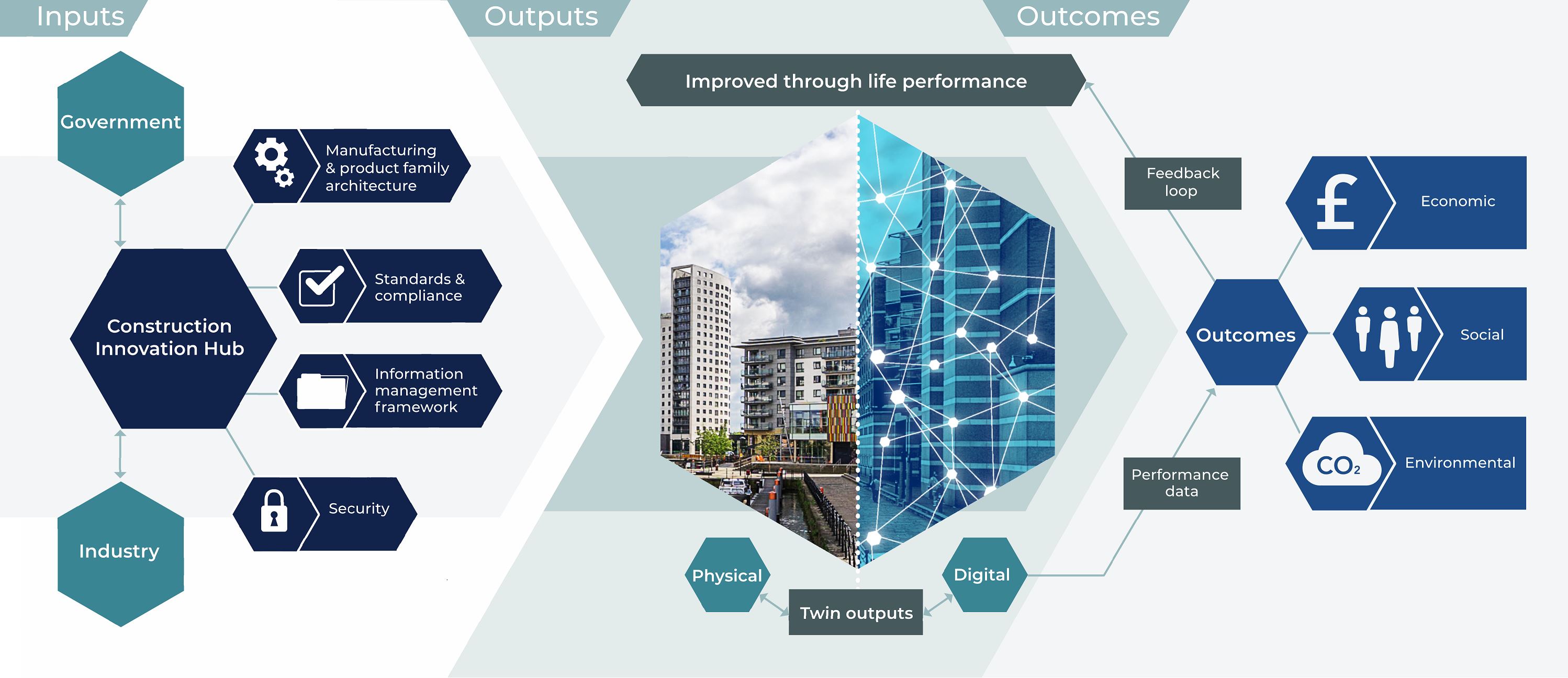
Additionally, growing urbanization and increasing population in the area increase demand for smart facilities contributes to general market development. In the project's very first year, the city effectively installed 81,000 LED lights.
The wise facilities market in Asia Pacific is expected to experience the fastest rate of development. This is affected by rapid urbanization, customer interest in remote management services through IoT innovation, and an increasing internet penetration rate. The development in China's wise infrastructure market is moved by helpful government initiatives for clever cities and growing concerns about energy intake in structures.

The wise facilities market provides services that incorporate innovative technologies and digital systems into physical structures like buildings, transportation networks, and energy grids. It uses the Web of Things (IoT), expert system (AI), and data analytics to improve efficiency, sustainability, and connection. This consists of applications like automated controls in structures, intelligent transport systems for much better traffic circulation, and renewable energy grids for monitoring and managing energy.
Mastering Evolving Tech Development Cycles
The growing customer concentrate on the environment and energy performance drives the adoption of wise innovations to enhance energy usage and reduce carbon emissions. The rapid development of city locations and the increasing population develop a requirement for clever facilities options. These services deal with obstacles such as growing congestion, reliable resource management, and promoting sustainability within cities, consequently driving the growth of the smart facilities market.
Governments actively buy developing smart infrastructure as part of their economic development and sustainability goals. This financial support and tactical focus contribute to the positive market expansion outlook. Financially rewarding market growth chances occur from continuous technological advancements, including IoT, AI, and data analytics. These innovations facilitate real-time monitoring, automation, and data-driven decision-making, improving the landscape of smart infrastructure.
These systems leverage technologies like traffic sensing units, adaptive signaling, and linked cars to assist in the efficient management of transportation networks. The worldwide smart infrastructure market is experiencing notable growth, mostly fueled by the rising need for infrastructure systems that are not only effective however also sustainable and durable. Smart facilities substantially emphasizes the energy sector, primarily through clever grid systems.
Optimizing ROI with Smart Digital Developments
:- The growing urbanization increases demand for resilient, effective, and sustainable smart infrastructure systems. The growing need for infrastructure like waste management, transportation, energy, and lots of other locations increases the need for clever systems.
Adapting to the Digital Demands of the 2026 WorkforceSmart facilities systems like energy management systems, clever grids, and other systems lower ecological effect, enhance resource utilization, and enhance energy efficiency.:- The growing combination of IoT and AI and developments like 5G connectivity develop interconnected clever facilities systems. Technologies like AI and IoT aid in real-time data control, collection, and analysis, and develop more reputable smart infrastructure systems.
As more individuals transfer to urban areas, effective management of resources like water, energy, and transportation becomes crucial due to increased crowding. The market is likewise growing due to the widespread usage of items to lower traffic blockage, improve public transit, and lower energy usage and greenhouse gas emissions. Incorporating advanced wise solutions for city sustainability, lowering carbon footprints, and enhancing energy utilization and waste management produces lucrative growth chances for the market.
In addition, various funding options, rewards, and regulative support for initiatives like wise cities, transport upgrades, and renewable resource combination are creating profitable chances. The growing worldwide issues about the environment, sustainability, and greenhouse gas emissions further drive the adoption of wise innovations. This trend is bring in economic sector investments and fostering innovation in the wise facilities market.
Since January 2024, the state Uttar Pradesh in India started dealing with a brand-new vision for Ayodhya. The city is undergoing development based upon eight essential principles, intending to restore its prosperity and make it a popular city. The state is concentrating on turning Ayodhya into a solar-powered town to lower its dependence on traditional electrical power sources.
Mastering Shortened Tech Development Cycles
Additionally, there is a growing need for intelligent transport systems (ITS), such as wise traffic management and linked lorries. These innovations assist in traffic monitoring, vibrant signaling, and real-time tourist details, resulting in optimized traffic circulation, minimized blockage, and improved road safety. The increasing adoption of wise city projects making use of data analytics, IoT, and connected facilities is likewise producing lucrative chances for clever infrastructure market's expansion.
This partnership aims to improve the functional effectiveness of AI-powered infrastructure and cloud platforms for their customers. The worldwide rise of clever cities and platforms is fueled by the widespread adoption of the Internet and the Internet of Things (IoT). The expanding usage of IoT spans industrial applications, emergency services, public transport, safety measures, city lighting, and general wise city efforts.
Cisco anticipates that machine-to-machine (M2M) connections supporting IoT applications will make up over half of the world's 28.5 billion linked gadgets by 2022, with the linked home vertical accounting for a significant portion of total M2M connections. The items segment took the lead, holding the largest market share in 2024. This substantial market share arises from the growing usage of clever infrastructure hardware and software, consisting of smart grid systems, constructing automation systems (BAS), and Web of Things (IoT)-based environmental tracking systems.
The product segment is anticipated to continue its dominance in the market up until 2033, taking advantage of ongoing technological advancements in establishing smart facilities services. In May 2023, IBM presented IBM Hybrid Cloud Mesh at ONUG, a software as a service (SaaS) service. This offering empowers business to handle their hybrid multi-cloud facilities efficiently.
In the clever infrastructure market, the service offering sector is to experience the highest compound yearly development rate. This considerable growth is mainly due to organizations moving their focus towards leveraging ingenious infrastructure services to enhance their budget plans.
Ways to Scale Enterprise Tech Evolution in 2026
Favorable policies and regulations, heightened awareness of road safety, and increasing vehicles present many prospective opportunities in this segment during the forecast period. In 2022, Tata Motors introduced India's first Medium & Heavy Commercial Lorry (M&HCV) truck powered by Compressed Gas (CNG). Furthermore, Tata Motors has unveiled a cutting edge Advanced Driver Assistance System (ADAS) and boosted functions for their popular Prima, Signa, and Ultra truck models to improve driving convenience.

Latest Posts
Analyzing Next Phase of Corporate Tech Trends
Integrating Intelligent Infrastructure for Enterprise Workflows
Is the Hub Prepared for 2026 R&D?